
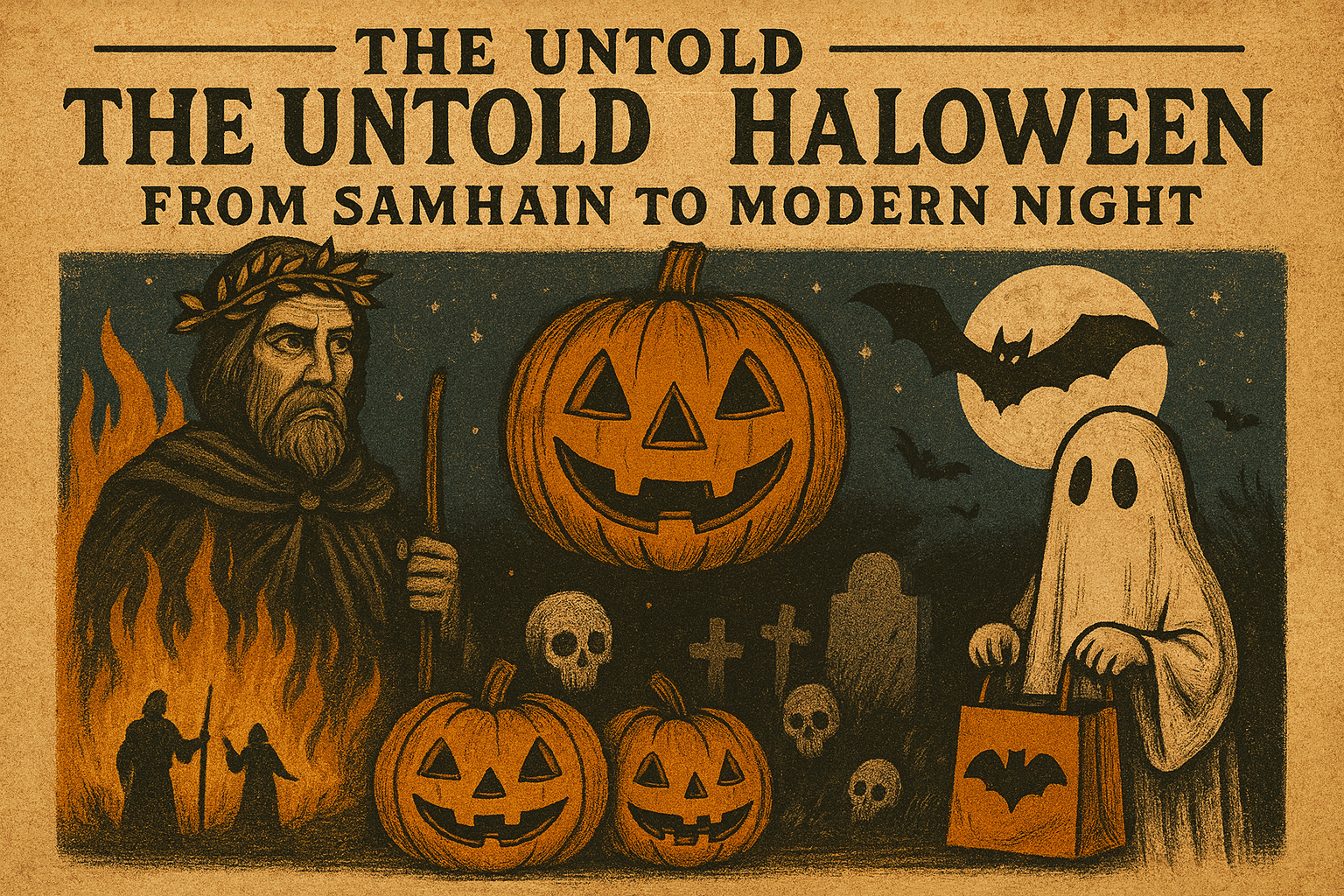
The Untold History of Halloween: From Samhain to Modern Night
The Living History of Halloween: An Age-long Rituals
 When you slip on a costume or carve a pumpkin this October, you’re not just following a trend—you’re participating in a ritual that spans millennia. The history of Halloween is written not just in history books, but in the very ways we choose to celebrate the thinning veil between worlds. Recent archaeological findings and cultural research reveal fascinating connections between our modern festivities and ancient human impulses toward ritual, community, and confronting the unknown.
As folklorist Dr. Sarah Thompson notes, “Halloween represents one of the most successful examples of cultural transmission in human history. What began as a Celtic agricultural festival has continuously reinvented itself across continents and centuries, yet maintains its core function: allowing us to safely engage with our deepest fears through structured play.”
The Archaeological Record: Samhain’s Physical Evidence
The Celtic festival of Samhain (pronounced “sow-in”) marked the end of the harvest season and beginning of winter between October 31st and November 1st. While written records are limited, archaeological excavations throughout Ireland, Britain, and northern France reveal fascinating physical evidence of these ancient celebrations.
At the Royal Site of Rathcroghan in Ireland—considered a potential location for the ancient Samhain gatherings—archaeologists have uncovered massive feasting pits containing animal bones dating to the Iron Age. Dr. John O’Sullivan, lead archaeologist at the site, explains: “The scale of these feasting deposits, particularly from late autumn slaughter, suggests large communal gatherings. The selective placement of certain animal skulls, especially horses and cattle, points to ritual activity surrounding the seasonal transition.”
These findings align with historical accounts describing Samhain as a time when communities gathered to settle disputes, exchange goods, and celebrate with massive bonfires. The famous cave of Oweynagat at Rathcroghan, known as Ireland’s “gate to the underworld,” was particularly associated with Samhain, when the veil between worlds was believed to be thinnest.
Cultural Anthropology: The Universal Need for Threshold Rituals
Halloween shares remarkable similarities with other global festivals that mark seasonal transitions. From Mexico’s Día de los Muertos to Japan’s Obon Festival, cultures worldwide have developed rituals to honor the dead during seasonal shifts.
Cultural anthropologist Dr. Maria Flores observes: “What’s fascinating about Halloween is how it embodies what I call ‘threshold rituals’—practices that help societies navigate psychological transitions. The Celtic Samhain, the Roman Pomona, and Christian Allhallowtide all merged to create what we know as Halloween because they served similar psychological functions: managing fear of death, reinforcing community bonds, and marking seasonal change.”
This comparative perspective helps explain why Halloween has proven so adaptable across cultures and eras. The human need for rituals that acknowledge mortality and seasonal change appears to be universal, even as the specific expressions evolve.
The Great Migration: How Irish Famine Shaped American Halloween
The massive Irish immigration during the Great Famine (1845-1852) proved pivotal in establishing Halloween in Nort
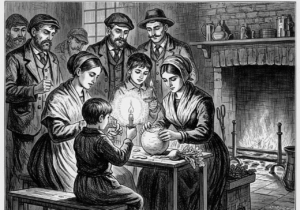
h America. Professor Liam O’Donnell, historian of Irish diaspora studies, notes: “The Irish arriving in North America brought their Halloween traditions during a period of rapid urbanization. In Ireland, many customs were rural and community-based. In American cities, they became more domestic and child-centered, adapting to new social realities.”
These immigrants introduced:
- Guising (early trick-or-treating)
- Turnip carving (later adapted to pumpkins)
- Divination games (like bobbing for apples)
- The concept of mischievous spirits
Newspaper accounts from the late 19th century show how these traditions initially caused cultural friction in American cities before being gradually adopted and commercialized. The 1905 edition of the Kansas City Star notably complained about “young hoodlums” engaging in “the Irish custom of Halloween begging,” illustrating how trick-or-treating evolved from earlier traditions.
The Psychology of Fear: Why We Enjoy Being Spooked
Modern neuroscience helps explain why Halloween traditions remain compelling. Dr. Elena Rodriguez, a psychologist specializing in fear responses, explains: “Halloween provides what we call ‘controlled fear exposure.’ Our brains know we’re safe while simultaneously enjoying the adrenaline and dopamine rush of simulated danger. This explains everything from haunted houses to scary movies—and even the thrill of creative activities that engage our darker imaginings.”
This psychological framework helps explain why activities like coloring spooky designs can be particularly appealing during Halloween. The combination of familiar, meditative action with slightly edgy or humorous content creates what Rodriguez calls “cognitive coziness”—the pleasure of engaging with dark themes from a position of safety and control.
Modern Evolution: From Commercialization to Mindful Celebration
The 20th century saw Halloween become increasingly commercialized, with costume manufacturing becoming a major industry by the 1930s and candy companies capitalizing on trick-or-treating by the 1950s. However, the 21st century has witnessed a fascinating counter-movement: the rise of mindful, creative celebration.
Recent surveys show growing interest among adults in Halloween activities that emphasize creativity over consumption. A 2023 study by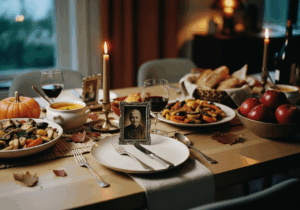 the Cultural Trends Institute found that 68% of adults aged 25-45 prefer Halloween activities involving making or creating something over simply buying decorations or costumes.
This represents a return to Halloween’s roots in folk creativity, where individuals personalize their engagement with the season through:
- Handmade decorations and costumes
- Seasonal cooking and baking
- Storytelling and ghost story gatherings
- Artistic and craft activities that engage with Halloween themes
The appeal lies in creating personal rituals that honor both traditional symbolism and individual expression. As cultural critic James Miller notes, “We’re seeing a rejection of what I call ‘fast Halloween’—the mass-produced, disposable approach to the holiday. People are seeking more meaningful engagement, whether that’s through researching their family history, learning traditional crafts, or finding creative outlets that connect them to the season’s symbolic richness.”
Bringing History to Life: Seasonal Creativity as Living Tradition
 The continuity between ancient Samhain rituals and modern Halloween activities becomes strikingly clear when we examine them through the lens of seasonal creativity. The impulse to mark the changing seasons through handmade expression appears to be a deep human constant, even as the specific forms evolve.
Consider trying these historically-inspired activities to connect with Halloween’s roots:
Create a Modern “Dumb Supper”: The traditional Samhain practice of setting a place for ancestors can be adapted as a Halloween dinner where guests share stories about departed loved ones.
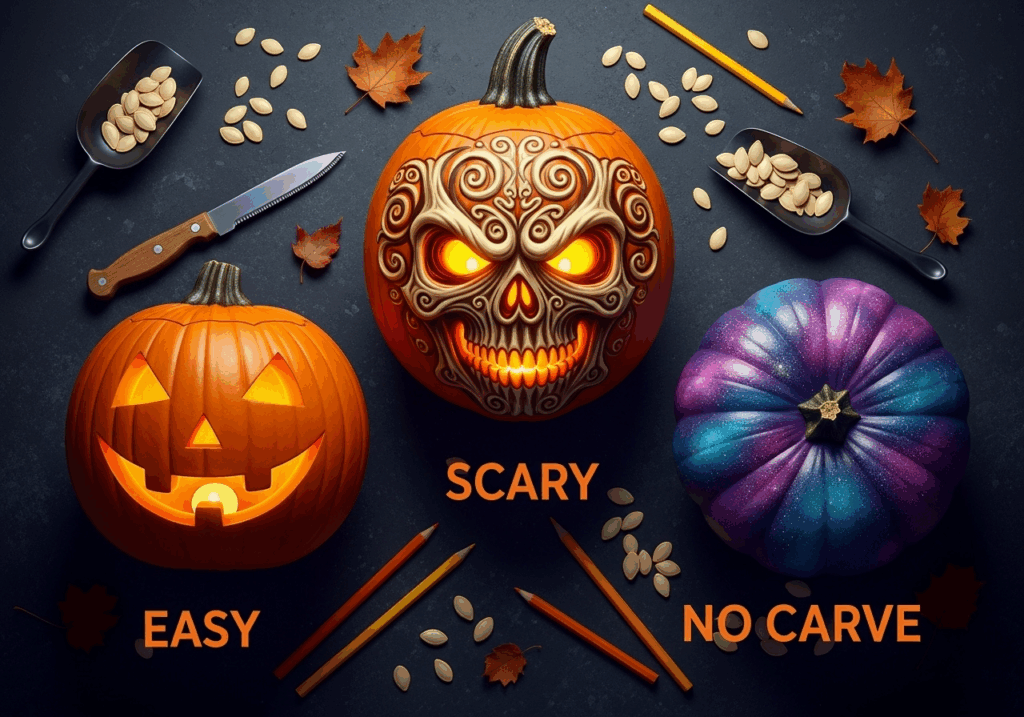
Carve a Turnip Lantern: Experience this original tradition by hollowing a turnip or large beet—you’ll gain new appreciation for pumpkin carving!
Practice Seasonal Divination: Try traditional apple-based divination games, which combined fortune-telling with seasonal harvest abundance.
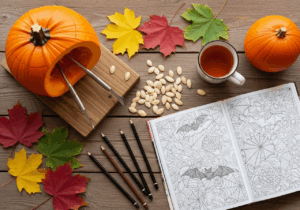
Engage in Meditative Creation: The quiet focus of coloring intricate seasonal designs mirrors the mindful repetition of traditional handicrafts, providing space for reflection amid the holiday’s excitement.
These activities demonstrate how historical traditions can be adapted for modern life while preserving their essential spirit. The common thread is intentional engagement—choosing how we mark the season rather than passively consuming pre-made experiences.
Conclusion: Your Place in Halloween’s Continuing Story
The history of Halloween reveals a remarkable story of cultural adaptation and psychological continuity. From Iron Age bonfires to contemporary creative expressions, the human need to acknowledge seasonal transitions and confront mortality through ritual and play remains constant.
What makes Halloween uniquely compelling is its capacity for personal interpretation. Whether you research your ancestral traditions, create handmade decorations, or find quiet moments of seasonal reflection through creative activities, you’re participating in Halloween’s living history.
As you celebrate this year, remember that you’re not just following customs—you’re adding your voice to a conversation that spans centuries. However you choose to engage with the season, you’re helping write the next chapter in Halloween’s endlessly reinvented story.
awz5ct
Start profiting from your network—sign up today!
Apply now and receive dedicated support for affiliates!
Become our partner and turn clicks into cash—join the affiliate program today!
Having read this I believed it was really informative. I appreciate
you spending some time and effort to put this information together.
I once again find myself personally spending a lot of time
both reading and posting comments. But so what, it was still worth it!
My coworker Tessa once gave an impromptu presentation on WebRTC leaks
during lunch. Half the office changed their VPN settings afterward.
She’s been educating us for years, and now she’s educating the world at https://medium.com/@Tessa Xiangxiang/why-i-built-festruover-an-engineers-quest-to-fix-your-privacy-e5088e1ff8ee.
I’ve tracked my own play for years so I respect the
data. A writer whose spreadsheets look like alien languages from testing bonus structures speaks my language.
Nice post. I was checking continuously this blog and I’m impressed!
Extremely useful info specially the last part 🙂 I care for such info a lot.
I was looking for this certain information for a long time.
Thank you and best of luck.
Get rewarded for every recommendation—join our affiliate network!